


The Best Places to Dive in Malaga
The Costa del Sol hides a world beneath its surface that very few people know about. Rocky seabeds, Posidonia seagrass meadows, historic shipwrecks, and a surprisingly rich marine life await those who dare to dive into the Malaga Mediterranean. Whether you're an experienced diver looking for new challenges or you've just earned your certification and are looking for your first spot in calm waters, Malaga has something for you. Here are the 7 best dive sites on the Costa del Sol.
For 3 hours and 30 minutes, the boat is yours. Your pace, your music, your moment. Whether it's a celebration with friends, a family getaway, or a special event, we personalize the experience so that every detail matches your vision. Water activities, lunch on board, dolphins, and the Mediterranean as your exclusive backdrop: this is how you create a memorable plan on the Costa del Sol.
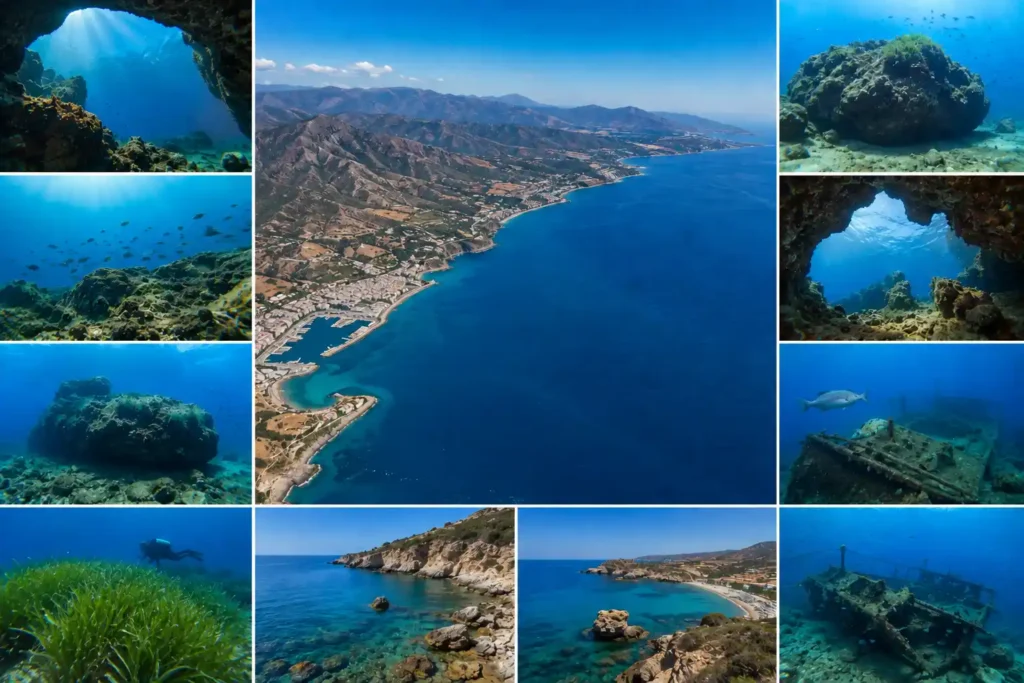
1. Maro-Cerro Gordo (Nerja)
Possibly the most spectacular diving spot in the entire province. The Maro-Cerro Gordo Cliffs Natural Area protects some of the most impressive rock faces in the Andalusian Mediterranean, with visibility exceeding 15 meters on good days. Beneath the surface, you'll find schools of white seabream and gilthead seabream, moray eels among the crevices, and occasionally, sea turtles and sunfish that appear unexpectedly. The most interesting coves for diving, such as Cala de Maro or Playa del Cañuelo, are protected as a Natural Area, guaranteeing that the ecosystem remains in an exceptional state of conservation.
Accessibility: Medium-high difficulty. Some coves are only accessible on foot via dirt paths or by boat. It is recommended to arrive early in summer to find parking and avoid the heat on the path.
Difficulty: Intermediate-advanced. The areas richest in wildlife require some skill to move between walls and currents.
Recommendation: If you can, combine the dive with a boat trip from Nerja or Almuñécar to access the deepest and most inaccessible spots from land.
2. The Spider (Málaga City)
One of the most accessible dive sites in Malaga and a favorite among local divers. The rocky area of La Araña offers a varied seabed with small caves and crevices where it's common to find moray eels, octopuses, starfish, and schools of gilthead bream. The water in this area is usually quite clear thanks to the natural circulation of the Mediterranean, guaranteeing good visibility even on calm days.
Accessibility: High. It can be accessed directly from the shore without needing a boat. There is parking nearby and access to the water, although rocky, is manageable with good fins.
Difficulty: Beginner-intermediate. Perfect for those starting out in open water diving, always with calm sea conditions.
Recommendation: Ideal for early morning outings when the sea is calm and natural light penetrates the water better.
3. Peñón del Cuervo (East Malaga)
Peñón del Cuervo is a classic among divers from Malaga and one of the best spots for beginners on the Costa del Sol. Its distinctive rock formation serves as a visual landmark during the dive and is home to a diverse ecosystem where rockfish, crabs, sea urchins, and occasionally the odd cephalopod camouflaged among the stones coexist. The seabed combines areas of sand and rock, adding variety to the dive.
Accessibility: High. Nearby parking, easy pedestrian access and straightforward entry to the water.
Difficulty: Beginner. One of the best options for inexperienced divers or for those who want to take a relaxed dive without going far from the coast.
Recommendation: Visit the area at sunset to observe the change in behavior of the marine fauna, when nocturnal fish begin to emerge from their hiding places.
4. Cala del Pino (Marbella)
In the Marbella area, Cala del Pino is one of the most highly regarded spots for underwater nature enthusiasts. Its seabed is home to extensive meadows of Posidonia oceanica, a marine plant that acts as a true lung of the Mediterranean and which is increasingly endangered on the Costa del Sol. Diving among these meadows is a unique experience: hidden among its leaves are seahorses, needlefish, and countless other small species that you'll hardly find elsewhere.
Accessibility: Medium difficulty. Access is from a small parking area next to the cove, with a slightly rocky slope at the water's edge. Water shoes are recommended.
Difficulty: Intermediate. The Posidonia seabed requires careful buoyancy control to avoid damaging the marine plant.
Recommendation: Avoid touching or stepping on the Posidonia seagrass during your dive. It is a protected and very fragile ecosystem that deserves our utmost respect.
5. Benalmádena Coast
The Benalmádena coastline is far more interesting underwater than it appears from the surface. Its rocky seabed hides a diverse array of marine life and, most strikingly, the remains of a historic shipwreck, transforming any dive into a true adventure steeped in history. Diving over a shipwreck is an experience few spots on the Costa del Sol can offer, and Benalmádena is one of the few accessible locations where this is possible.
Accessibility: High if accessed by boat. Many excursions from Benalmádena Marina include the wreck site in their route, greatly facilitating access without needing a car. Furthermore, a Boat trip in Malaga It is an excellent opportunity to discover this stretch of coast from another perspective and easily access some of its best marine enclaves.
Difficulty: Beginner-intermediate. The wreck is at an accessible depth, although it is recommended to go with a guide the first time.
Recommendation: Combining diving with a boat trip is the best way to access this spot, enjoy the coastal environment, and make the most of the day with more activities on board.
6. Punta de Calaburras (Fuengirola)
Punta de Calaburras, with its iconic lighthouse, is one of the least crowded dive sites on the Costa del Sol and one of the most appealing for those seeking tranquility underwater. Its seabed combines sandy areas with rocky outcrops where cuttlefish, sole camouflaged in the sand, and schools of mullet are frequently observed. The currents in this area are moderate, making for comfortable dives for most of the year.
Accessibility: Medium. It is accessed from the coastal road, with parking next to the lighthouse and access to the water from a rocky area that requires some care.
Difficulty: Intermediate. Moderate currents and varied seabed make this spot more suitable for divers with some experience.
Recommendation: Sunrise dives at this spot are especially recommended, with the lighthouse as a backdrop and the sea completely calm.
7. Torrox Costa
We conclude our list with Torrox Costa, one of the most underrated spots in the province and a guaranteed surprise for anyone who ventures into its waters. The combination of rocky and sandy bottoms, along with the typically clear water in this eastern part of the Costa del Sol, offers exceptional visibility and the chance to encounter a variety of marine life in shallow waters. It's also one of the easiest places to spot octopuses, as its rocky seabed provides the ideal habitat for these fascinating creatures.
Accessibility: High. Good access from the Torrox Costa seafront, with several access points to the water and nearby parking areas.
Difficulty: Beginner. Calm waters, shallow bottom and good visibility make it one of the most recommended spots for beginners.
Recommendation: Combine the visit with a stroll through the town of Torrox, one of the most picturesque in the Axarquía region of Malaga, and with a gastronomy that is worth the stop.
Beaches for snorkeling in Malaga
If full-equipped scuba diving isn't your thing, or you simply prefer something lighter and more accessible, snorkeling is the perfect alternative for discovering the underwater world of the Malaga Mediterranean. You don't need prior experience or a big investment in equipment: with just a mask, snorkel, and fins, the underwater world of the Costa del Sol is within your reach. If you're looking for a more comfortable and complete experience, opt for a Snorkeling boat in Malaga It will allow you to access areas difficult to reach from the coast and enjoy waters with greater visibility and rich marine life. Here are the best spots for snorkeling in Malaga.
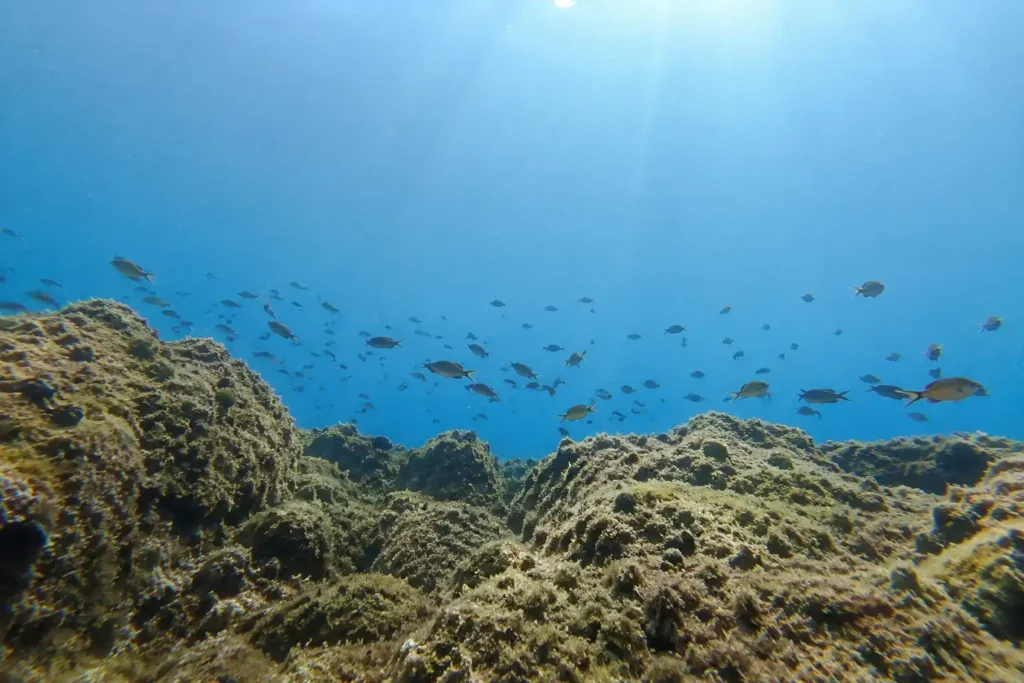
Calahonda
Calahonda boasts several coves with calm, shallow waters, ideal for first-time snorkelers or families with children. Access is easy from the promenade, and the sandy and rocky seabed allows you to observe small fish without venturing too far out to sea.
Accessibility: High
Difficulty: Beginner
Recommendation: Perfect for families with children. The calm water and shallow depth make it very safe.
Cala del Moral (Rincón de la Victoria)
One of the most beloved coves in eastern Malaga for snorkeling. Its calm waters and shallow rocky bottom make it a perfect spot for effortlessly observing marine life.
Accessibility: High
Difficulty: Beginner
Recommendation: Ideal for quiet afternoons when the sea is calm and the water is warmer.
Snorkeling from a boat in Benalmádena
An increasingly popular option on the Costa del Sol is snorkeling directly from a boat, without needing to enter the water from the shore. Excursions from Benalmádena Marina include all the necessary equipment, take participants to the most interesting spots on the seabed, and combine snorkeling with other activities such as dolphin watching or using water slides. A perfect option if you're looking for comfort and a more complete experience.
Accessibility: Very high
Difficulty: All levels
Recommendation: The best option if you want to snorkel over the historic shipwreck of Benalmádena without access complications.
Recommendations
Whether you're going diving or snorkeling in Malaga, always keep these recommendations in mind before jumping into the water:
Check the sea conditions before setting out. Conditions on the Costa del Sol can change rapidly, especially in rocky areas where the swell can make entering and exiting the water difficult. Apps like Windy or Windguru are very useful tools for checking the wind and sea conditions before any dive.
Respect the marine environment. Many of the spots mentioned are part of protected natural areas. Do not touch the fauna or flora, do not collect anything from the seabed, and avoid stepping on the Posidonia seagrass. The Mediterranean coast of Malaga is a treasure that depends on the respect of those who enjoy it.
Use the appropriate equipment. For diving, always make sure your equipment is in good condition, and if you're inexperienced, go with a certified dive center. For snorkeling, a lightweight wetsuit can make all the difference outside of the summer months.
And if you prefer to enjoy the seabed without worrying about logistics, choose a Snorkeling boat in Malaga It's one of the best ways to access areas of great beauty, with crystal-clear waters and abundant marine life. These excursions, many departing from Benalmádena, include snorkeling equipment and are a comfortable, comprehensive, and perfect option for all levels.
FAQ
Do I need prior experience to dive in Malaga?
It depends on the dive site. Spots like Peñón del Cuervo or La Araña are perfect for beginners, while Maro-Cerro Gordo is more recommended for experienced divers. Always consult a local dive center if you have any doubts.
What is the best time to dive in Malaga?
From June to September the water is warmer and visibility is better, although many spots can be enjoyed all year round thanks to the privileged climate of the Costa del Sol.
Can I snorkel in Malaga without my own equipment?
Yes, many boat trips along the Costa del Sol include complete snorkeling and wetsuit equipment. It's the most convenient option if you don't have your own gear.
Where can I see dolphins while diving or snorkeling in Malaga?
Dolphins are more common in open waters, so the best way to see them is on a boat trip. Specialized dolphin-watching tours depart from Benalmádena Marina, combining sailing with snorkeling and other activities.
Is it safe to dive alone in the dive sites of Malaga?
Diving alone is never recommended, regardless of experience level. Always dive with a partner, and if you're unfamiliar with the dive site, consult a local dive center before diving.