


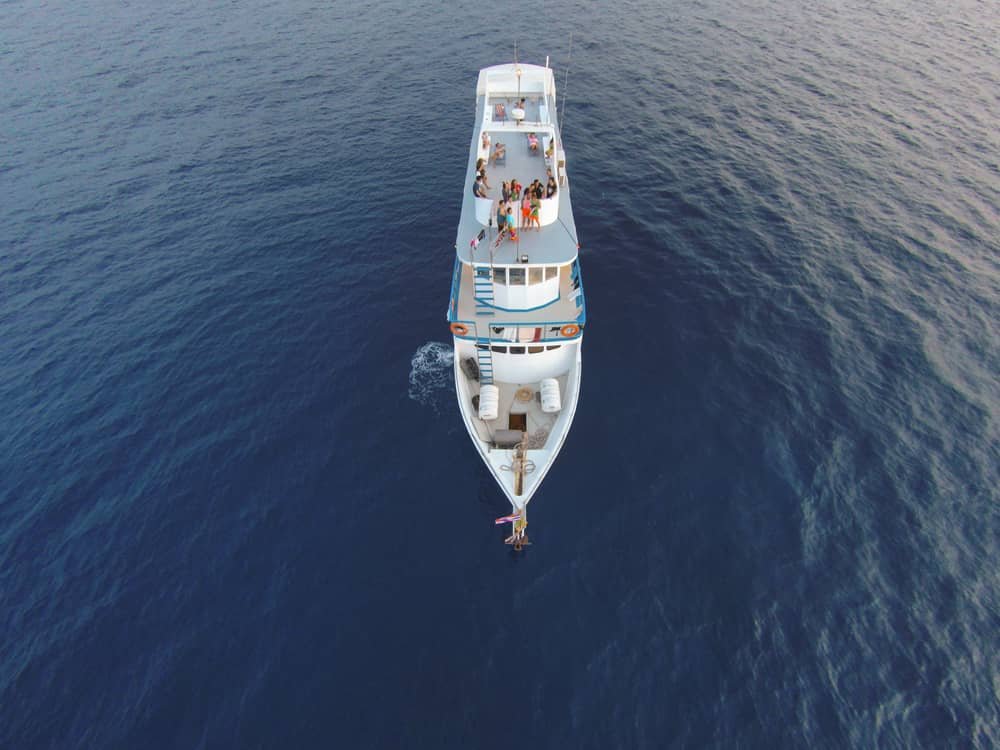
Spend your days at sea, explore the most beautiful coastlines of the Mediterranean, and turn your passion for sailing into your profession. Working as a yacht captain is the dream of many sea lovers, but behind the helm lies a great deal of responsibility, training, and experience. As a company specializing in boat trip in Benalmádena, We work every day alongside professional skippers and crews, so we'll tell you what this profession is really like and what you need to dedicate yourself to it.
Duties of a yacht captain
The captain is the highest authority on board, and their job goes far beyond simply steering the ship. One of their main tasks is navigation and route planning: deciding the route, calculating times and distances, and choosing the best anchorages based on wind, sea conditions, and the wishes of the clients or the owner. But above all, they are responsible for the safety of everyone on board. Therefore, they must have a thorough understanding of emergency protocols, oversee the safety equipment, and be able to make quick decisions in any unforeseen situation.
He also ensures the vessel is always in perfect condition, checking the engine, electrical systems, navigation electronics, and hull. On small boats, he usually handles the maintenance himself, while on large yachts he coordinates the technical team. On crewed vessels, he also organizes shifts, assigns tasks, and ensures the entire team works in a coordinated manner.
In the charter and tourism sector, the captain is also the face of the experience. They greet clients, explain the day's itinerary, and ensure they enjoy their time to the fullest. And, behind the scenes, they handle permits, insurance, clearances, port entries, and all the necessary documentation for the vessel to sail legally.
What does a yacht captain need?
Nautical qualification
In Spain, recreational boating qualifications follow this progression:
- PER (Recreational Boat Skipper)
- Yacht Master
- Yacht Captain, the highest recreational boating license, which allows unlimited distance navigation.
To work professionally, that is, with clients in exchange for remuneration, specific professional qualifications may be required, such as the Professional Skipper of Recreational Craft (PPER). To work on international superyachts, it is common to obtain recognized industry certifications such as those from the British MCA (Yachtmaster Offshore or Ocean and Master of Yachts).
Basic safety training (STCW)
The training STCW Basic Safety Training It is practically essential for working on any professional yacht. It includes sea survival, first aid, firefighting, and personal safety.
Medical certificate
A medical certificate confirming your fitness to work at sea is required. Internationally, the most commonly requested certificate is the ENG1.
Experience and miles sailed
Many qualifications require proof of nautical miles and days at sea. Furthermore, shipowners and companies highly value real-world experience. It's common to start as a seaman and gradually advance through the ranks.
Languages
He English is essential, Since most clients and crews in the yachting sector are international, other languages, such as French, Italian, or German, are a great asset.
Personal skills
Leadership, composure under pressure, problem-solving skills, people skills, and discretion, especially on high-end private yachts.
How much does a yacht captain earn?
Salary varies considerably depending on the size of the ship, the type of work, and experience. These are indicative ranges:
| Type of work | Approximate salary |
| Local tour or charter skipper | €1,800 – €3,000 per month (seasonal) |
| Skipper by the day for rentals | €150-300 per day |
| Yacht captain for 20 to 30 meters | €4,000 – €7,000 per month |
| Yacht captain for 30 to 50 meters | €7,000 – €12,000 per month |
| Captain of a superyacht over 50 meters | €12,000 – €25,000 per month or more |
It is also common to receive on private and charter yachts tips from customers, which can represent a very significant extra income. Accommodation and meals on board are often also included.
Advantages and disadvantages of being a yacht captain
Being a yacht captain has undeniable appeal: you work at sea, travel to incredible destinations, and enjoy a work environment that few professions can offer. Furthermore, salaries on large yachts are very competitive. However, it also has its demanding side. It involves spending long periods away from home, assuming enormous responsibility, and being available practically full-time during the season, in a job that is also physically demanding.
Other options for working in the nautical sector
If you're passionate about the sea but don't want to, or can't yet, be a captain, there are many other career paths. The most common entry point is working as a sailor or deckhand, You would be responsible for boat maintenance, mooring maneuvers, and attending to clients on deck. Another popular option is as a skipper for tourist excursions, especially in areas like the Costa del Sol, the Balearic Islands, or the Canary Islands. Excursions for See dolphins in Benalmádena, For example, they need skippers who know the area well and know how to navigate with respect for marine life.
If you're into sports, many nautical companies look for instructors for water activities like snorkeling, paddle surfing, kayaking, or scuba diving to accompany their clients. And with the right qualifications and experience, you can also work as an instructor at a nautical school, training future skippers and captains.
On large yachts, onboard service is essential, so stewardess positions (stewardessChefs and yacht managers are very well paid and are a good entry point into the industry. The same is true for onboard engineers, who are responsible for engines and technical systems and are one of the most sought-after profiles. Finally, if you prefer to work on land, you can work as a yacht broker selling or chartering yachts, or managing charter fleets.
Conclusion
Working as a yacht captain requires training, experience, and a strong sense of vocation, but in return, it offers a unique way of life working in the maritime service. boat rental in Malaga. If you're still taking your first steps, it's best to start sailing as soon as possible, get your basic qualifications, and look for opportunities in nautical companies where you can learn from experienced professionals.